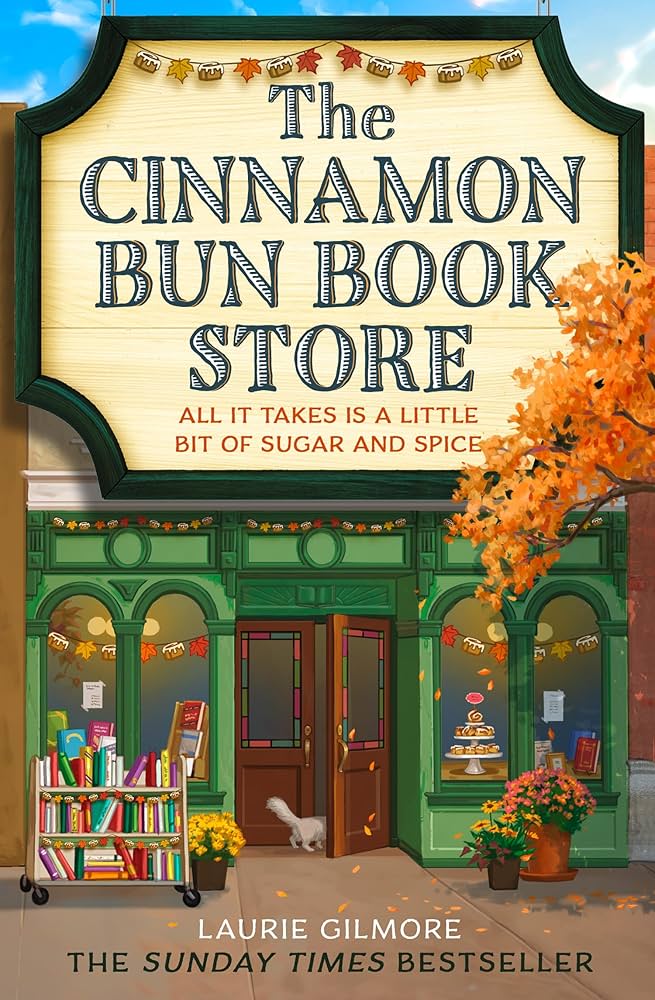
There’s a certain kind of magic that only small coastal towns seem to hold — where the air smells faintly of salt and sugar, the gossip travels faster than the tide, and quiet hearts find themselves waking up again. Laurie Gilmore’s The Cinnamon Bun Bookstore captures that magic beautifully. It’s a tender, slow-blooming romance wrapped in the scent of baked cinnamon, the rustle of turning pages, and the soft ache of wanting more from life.
A Story of Restlessness, Romance, and Rediscovery
Hazel is the kind of heroine many of us recognize in ourselves — kind, capable, and quietly drifting through her routines. She works in the beloved bookshop of Dream Harbor, a seaside town that feels suspended between nostalgia and new beginnings. With her thirtieth birthday approaching, Hazel starts to feel the weight of a life that’s been too safe, too predictable. Everyone around her seems to be moving forward, falling in love, or chasing dreams, while she’s still shelving novels and brewing coffee for regulars.
Then she stumbles across something unexpected — small “clues” left behind in the romance books around the store. Words highlighted by an anonymous hand. Phrases like secret messages meant just for her. Intrigued and inspired, Hazel decides that this will be her “reckless summer,” a season of saying yes, of doing the things she’s always been too afraid to do.
Enter Noah: a charming, carefree fisherman in his mid-twenties who runs local boat charters and has a reputation for avoiding commitment as easily as he navigates the harbor. On the surface, Noah is everything Hazel isn’t — impulsive, spontaneous, unbothered. But beneath that bravado, there’s a softness, and a secret crush he’s harbored for Hazel for longer than anyone realizes. When she asks him to help her check off her list of reckless summer adventures, he agrees, not knowing how profoundly it will change them both.
The Heart of Dream Harbor
Gilmore’s Dream Harbor is the kind of setting that makes you want to move there immediately — the steady rhythm of the tide, the warm chatter at the café, and the cozy glow of the bookstore where cinnamon buns are always fresh from the oven. She writes the town like a living character, one that witnesses heartbreak, laughter, and second chances. Each corner of Dream Harbor feels familiar yet freshly painted with new emotion.
Through Hazel’s eyes, we see the gentle beauty in small moments: reading on the dock, feeling the wind whip through her hair on Noah’s boat, or savoring the first bite of something warm and sweet. It’s not just about romance; it’s about reawakening to life itself — to the thrill of risk, the courage to be seen, and the vulnerability of falling in love for real.
Opposites Attract, But With Depth
What makes Hazel and Noah’s relationship work is how grounded it feels. Gilmore doesn’t rely on cliché opposites-attract banter; instead, she builds something quiet and genuine. Hazel’s self-doubt meets Noah’s restlessness, and together they find balance — she teaches him stillness, and he teaches her to leap. Their chemistry builds slowly, like sunlight over water, growing warmer and deeper with every chapter.
Noah could have easily been written as the typical “bad boy with a heart of gold,” but Gilmore gives him nuance. He’s charming, yes, but also introspective — aware of his flaws, of the rumors that follow him, and of the sincerity of his feelings for Hazel. Watching him wrestle with vulnerability and genuine care for someone is deeply rewarding.
A Love Letter to Taking Chances
More than anything, The Cinnamon Bun Bookstore is a love letter to the quiet dreamers — those who’ve played it safe, followed the rules, and suddenly realize they’ve been waiting for permission to start living boldly. Hazel’s journey isn’t about reckless abandon; it’s about intentional courage. Her summer of “recklessness” becomes a season of rediscovery — of herself, of her capacity for joy, and of the kind of love that feels both exhilarating and safe.
The “clues” she finds throughout the bookstore serve as a gentle metaphor: that love, meaning, and adventure are often hiding in plain sight, waiting for us to notice.
Gilmore’s Warm, Whimsical Style
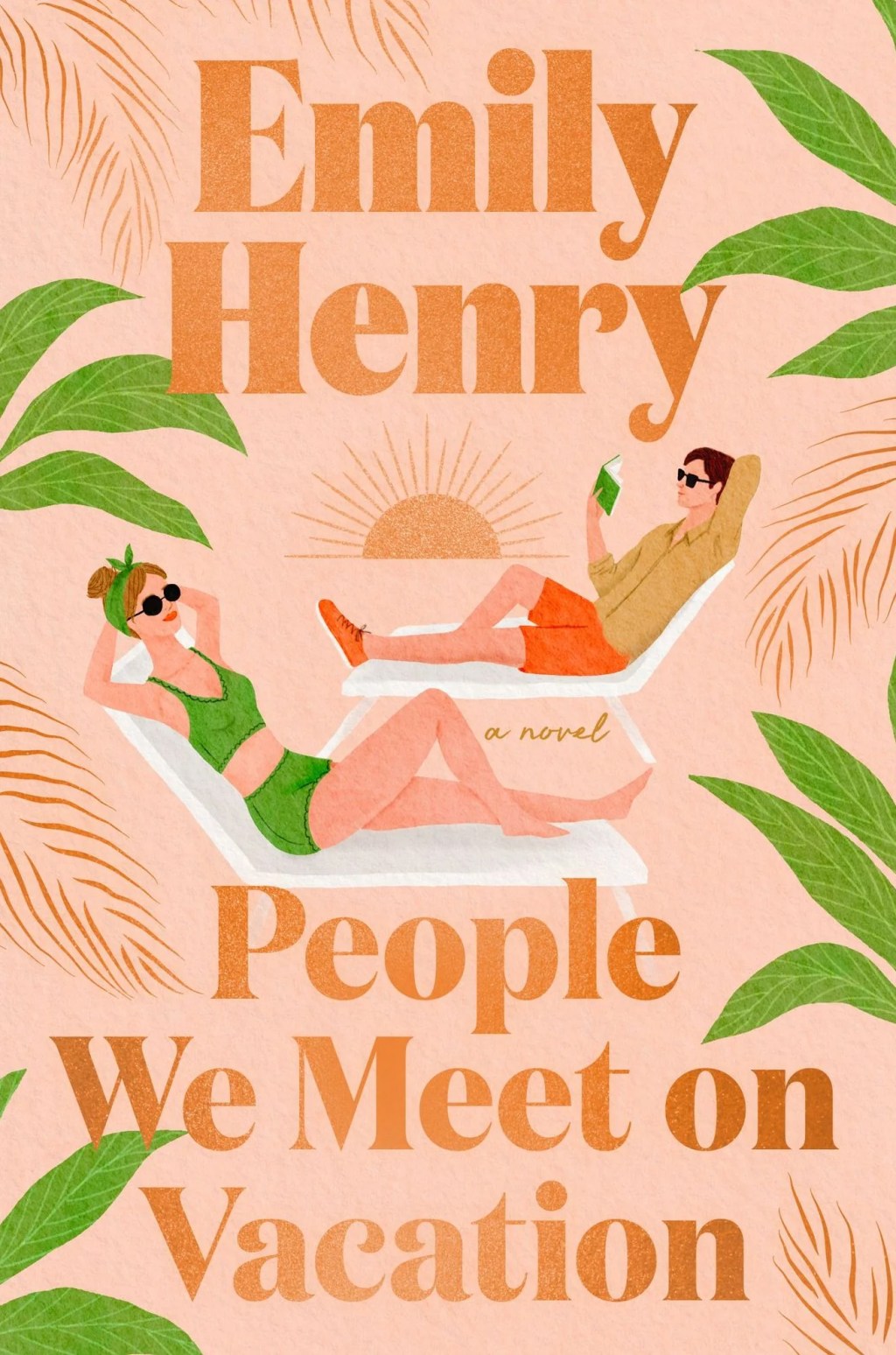
Gilmore’s prose is cozy without being cloying. She has a knack for writing sensory moments that pull you in — the sweetness of pastries, the crispness of sea breeze, the way a blush creeps into Hazel’s cheeks when Noah smiles at her. There’s a cinematic softness to her storytelling that feels perfect for fans of Emily Henry’s quieter moments or Sarah Morgan’s small-town settings.
Like The Pumpkin Spice Café, this sequel continues to expand Dream Harbor’s universe while keeping its heart intact. You don’t have to read the books in order, but doing so makes the experience richer — it’s like coming home and recognizing familiar faces in the background.
Final Thoughts: A Story That Feels Like Summer and Cinnamon
When I finished The Cinnamon Bun Bookstore, I sat for a while just feeling… full. Not in a dramatic, tear-streaked way, but in that quiet, contented way that good books leave you with — the kind of peace that hums under your skin. It’s a story that celebrates late bloomers, gentle love, and the beauty of doing something brave even when it scares you.
If The Pumpkin Spice Café was autumn comfort in book form, The Cinnamon Bun Bookstore is early summer sunshine — hopeful, a little impulsive, and softly romantic. It’s for anyone who’s ever felt stuck and needed a nudge toward something new.
⭐ Rating: 4.8 out of 5 cinnamon buns
☕ Perfect for: readers who love seaside towns, slow-burn romance, and stories about rediscovering yourself when you least expect it
✨ Note to Readers: Have you ever had your own “reckless summer”? Or stumbled on a book that felt like a gentle push toward change? Share your thoughts in the comments — and tell me your favorite small-town romance below!
See my review for Book 1 of the Dream Harbor series, “The Pumpkin Spice Café by Laurie Gilmore.”





 Cups & Curiosity
Leave a comment